
Fire Ant Control Treatments in Anna, Texas
Targeted Suppression for Aggressive Colonies That Disrupt Outdoor Safety
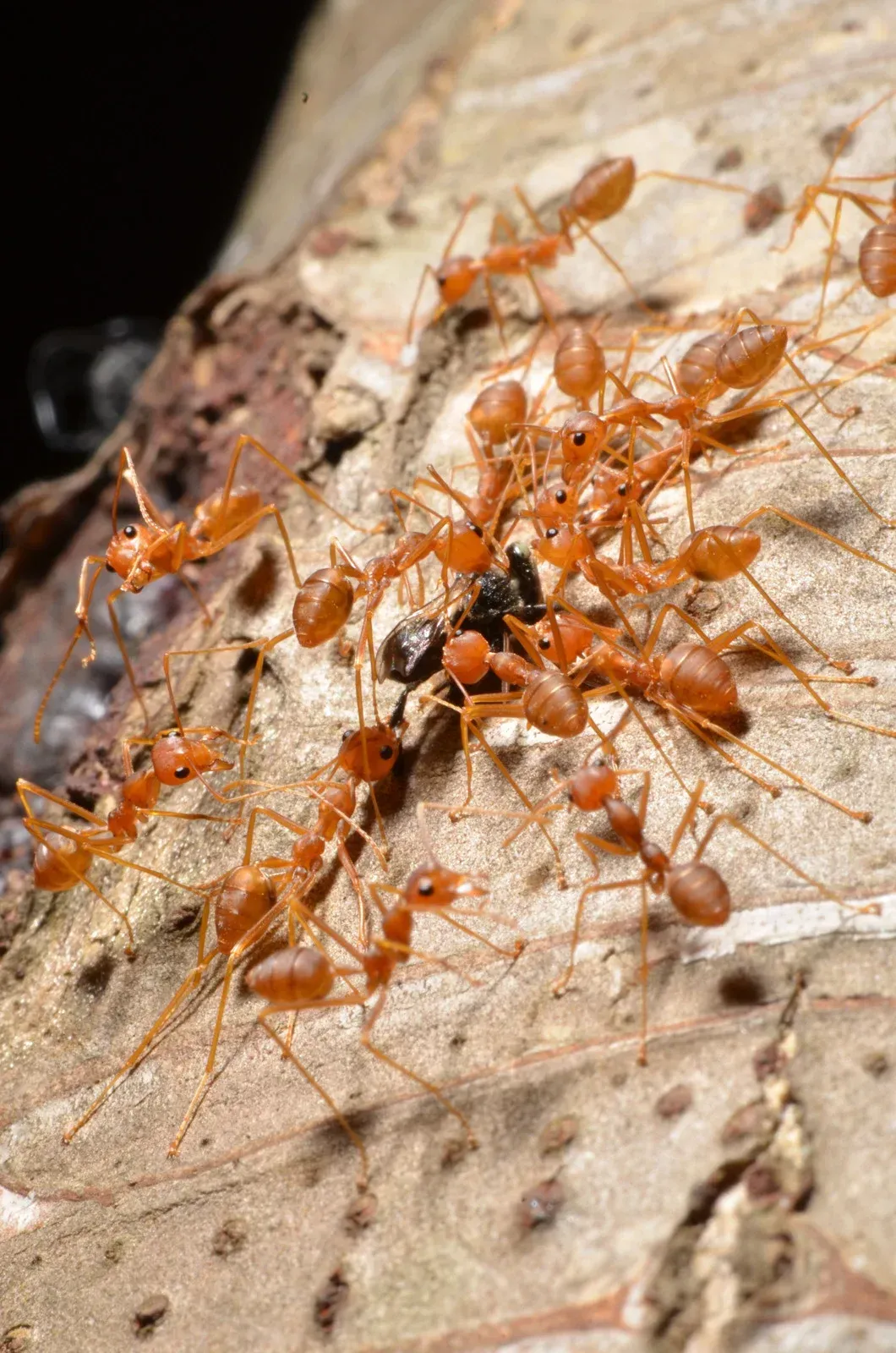
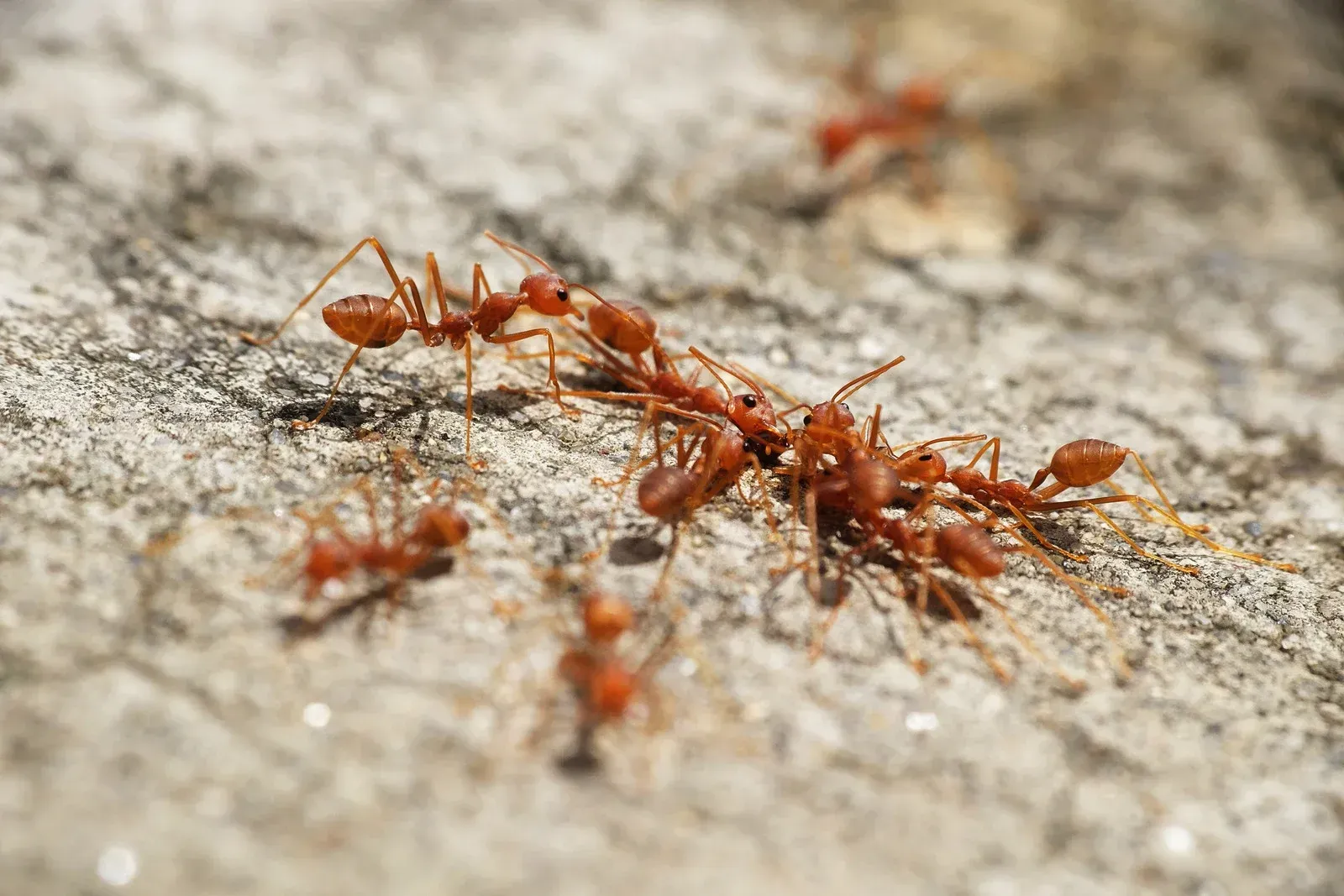
Fire ants are not passive nuisance pests. They establish aggressive colonies, defend territory rapidly, and spread across lawns, landscaped areas, and structural edges with little warning. Mounds appear suddenly, stings occur without provocation, and outdoor spaces become unsafe for families, pets, and routine activity. Fire ant control treatments focus on eliminating colonies at their source rather than flattening visible mounds that quickly reappear. With more than 40+ years of experience, Conner Pest Solutions applies structured fire ant strategies designed to collapse colonies, suppress reproduction, and restore outdoor usability without relying on short-lived surface solutions.
We serve Anna, Texas and nearby communities including McKinney, Melissa, Van Alstyne, and Celina throughout Collin County. North Texas landscapes provide ideal conditions for fire ants due to warm temperatures, sandy or mixed soils, irrigation systems, and expanding residential development. Lawns, playground areas, fence lines, drainage paths, and landscaped beds allow colonies to establish undisturbed. Fire ant activity intensifies during warmer months and after rainfall, making consistent, region-specific control essential for properties across this part of Texas.
Our fire ant control approach is deliberate and methodical. Treatments target active colonies, satellite nests, and movement zones using products designed to reach queens and disrupt colony structure. Applications are placed accurately to prevent spread while maintaining effectiveness. We treat fire ant control as an ongoing management process, not a one-time response, ensuring colonies are suppressed, reinfestation pressure is reduced, and outdoor areas remain predictable, usable, and safe rather than repeatedly compromised by aggressive ant activity.
Our Fire Ant Control Services
Active Mound Identification and Treatment
Treatments locate and address active fire ant mounds by targeting colonies directly rather than disturbing surface soil. This approach prevents colony fragmentation, limits aggressive spread, and ensures control reaches reproductive centers responsible for rapid expansion, repeated mound rebuilding, and continued infestation across lawns and landscaped areas.
Broadcast Fire Ant Applications
Broadcast fire ant applications treat larger lawn and landscape areas where multiple colonies exist. This method suppresses both visible and hidden nests simultaneously, reducing overall population density, preventing new mound formation, and delivering broader control across properties experiencing widespread or recurring fire ant pressure.
Perimeter Fire Ant Control
Perimeter fire ant control focuses on fence lines, foundations, and property boundaries where colonies migrate and establish new nests. Treating these transition zones limits reinfestation from neighboring areas, reduces outward spread, and strengthens long-term control by addressing movement pathways rather than isolated mounds.
Seasonally Timed Colony Suppression
Treatments are aligned with seasonal fire ant activity and rainfall patterns common in North Texas. Proper timing improves product performance, disrupts colony growth during peak periods, and prevents resurgence that often occurs when treatments are applied without regard to environmental conditions or colony behavior cycles.
Satellite Colony Monitoring
Monitoring identifies satellite colonies forming away from primary mounds or relocating after disturbance. Early detection allows targeted intervention before rapid expansion occurs, preventing untreated nests from undermining control efforts and spreading across lawns, beds, and shared outdoor spaces surrounding the property.
Ongoing Fire Ant Management Programs
Ongoing fire ant management programs provide recurring service to reinforce treatments, adapt to environmental changes, and maintain consistent suppression. Regular monitoring and reapplication prevent seasonal rebounds, limit new colony establishment, and ensure outdoor areas remain safer and more usable throughout the year.
Benefits of Fire Ant Control Treatments
Eliminates Aggressive Colonies
Fire ant control treatments target colonies directly rather than surface activity. Eliminating the colony reduces aggressive behavior, prevents mound rebuilding, and stops rapid expansion that makes outdoor areas unsafe for regular use for families, pets, guests, and routine activities across lawns and landscaped spaces safely.
Reduces Sting Risk
Suppressing fire ant populations lowers the risk of painful stings. Reducing colony activity protects families, pets, and visitors from sudden attacks near lawns, walkways, and recreational spaces during outdoor use, play, maintenance tasks, gatherings, and everyday movement throughout residential environments without unnecessary risk to occupants and guests.
Prevents Reinfestation Spread
Targeted control limits satellite colony development. Preventing spread reduces the chance of new mounds forming across treated areas and adjacent sections of the property by disrupting migration patterns, weakening expansion pressure, and stabilizing long-term control results across connected outdoor environments shared boundaries nearby and landscapes.
Improves Lawn and Landscape Usability
Fire ant control restores safe use of lawns, gardens, and play areas. Eliminating colonies allows outdoor spaces to function without constant risk from stings during recreation, maintenance, social gatherings, and routine daily movement outdoors throughout residential properties year round with improved confidence and safety levels.
Delivers Long-Term Suppression
Colony-focused treatments weaken populations over time. Long-term suppression reduces seasonal resurgence instead of offering short-lived relief that allows colonies to rebuild, spread, and reestablish across treated outdoor areas after rainfall, irrigation cycles, and favorable environmental conditions commonly present in North Texas residential landscapes during warm seasons annually.
Supports Integrated Pest Management
Fire ant control strengthens overall pest programs by addressing a major outdoor threat that can undermine broader pest management efforts when left unmanaged across lawns, landscapes, and shared environments. Integration improves consistency, reduces reinfestation, and supports long-term property protection across changing seasonal conditions and usage.
Colony Focused Fire Ant Control That Restores Safe Outdoor Spaces
Fire ant control requires precision, timing, and an understanding of colony behavior. Surface disruption alone allows colonies to spread and reappear, increasing risk rather than reducing it. Serving Anna, Texas and surrounding Collin County communities, our approach reflects local soil conditions, climate patterns, and residential landscapes that support aggressive fire ant activity. With more than 40+ years of experience, Conner Pest Solutions delivers fire ant control programs focused on colony suppression, reinfestation prevention, and long-term stability. Our team emphasizes accurate placement, seasonal adaptation, and ongoing monitoring to ensure control remains effective.

Fire ant management is not a one-time fix; it is a proactive strategy that protects outdoor spaces, improves safety, and prevents repeated disruption caused by unchecked colony expansion across residential properties.
Frequently Asked Questions
What makes fire ants different from other ants?
Fire ants are highly aggressive insects that defend colonies immediately and deliver painful stings when disturbed. Unlike nuisance ants that seek food indoors, fire ants establish outdoor mounds, spread rapidly, and pose safety risks to people and pets if colonies are not properly identified and eliminated at the source.
Why do fire ant mounds keep returning?
Fire ant mounds return because many surface treatments fail to eliminate the queen and deeper colony structure. Without colony-level control, workers rebuild quickly, often creating satellite nests nearby. Effective fire ant control must disrupt reproduction and collapse the entire colony rather than targeting visible mounds alone.
When is fire ant activity highest?
Fire ant activity is highest during warm weather, especially following rainfall. Moist soil conditions encourage mound building and foraging. In North Texas, peak activity commonly occurs from spring through fall, making seasonal timing critical for effective treatment and long-term suppression of aggressive colonies.
Are fire ant treatments safe for outdoor areas?
When applied correctly, fire ant treatments focus on colonies and active zones while limiting unnecessary exposure to surrounding areas. Targeted placement and responsible product selection allow lawns, landscapes, and outdoor spaces to remain usable while effectively suppressing fire ant populations over time.
Can fire ants be eliminated permanently?
Fire ants cannot be eliminated permanently due to environmental factors and migration from surrounding areas. The goal of professional control is long-term suppression, reduced aggression, and prevention of widespread outbreaks rather than unrealistic expectations of total eradication across open outdoor environments.
Do fire ants spread to neighboring properties?
Yes. Fire ants spread by forming satellite colonies and migrating across shared landscapes, fence lines, and drainage areas. Without boundary-focused control, reinfestation from nearby properties can occur quickly, undermining isolated treatments and allowing aggressive populations to reestablish across connected outdoor spaces.
Why choose Conner Pest Solutions in Anna, Texas?
Conner Pest Solutions in Anna, Texas brings over 40+ years of experience managing fire ant activity using structured, colony-focused strategies designed for North Texas soil conditions, climate patterns, and aggressive ant behavior common across residential landscapes.
Is professional fire ant control worth it?
Professional fire ant control is worth the investment because it reduces sting risk, prevents repeated outbreaks, and restores outdoor usability. Structured treatments outperform reactive mound disruption by addressing colonies fully, limiting spread, and delivering safer, more predictable results over time.
What our customers have to say...
Testimonials