
Mosquito Population Reduction in Anna, Texas
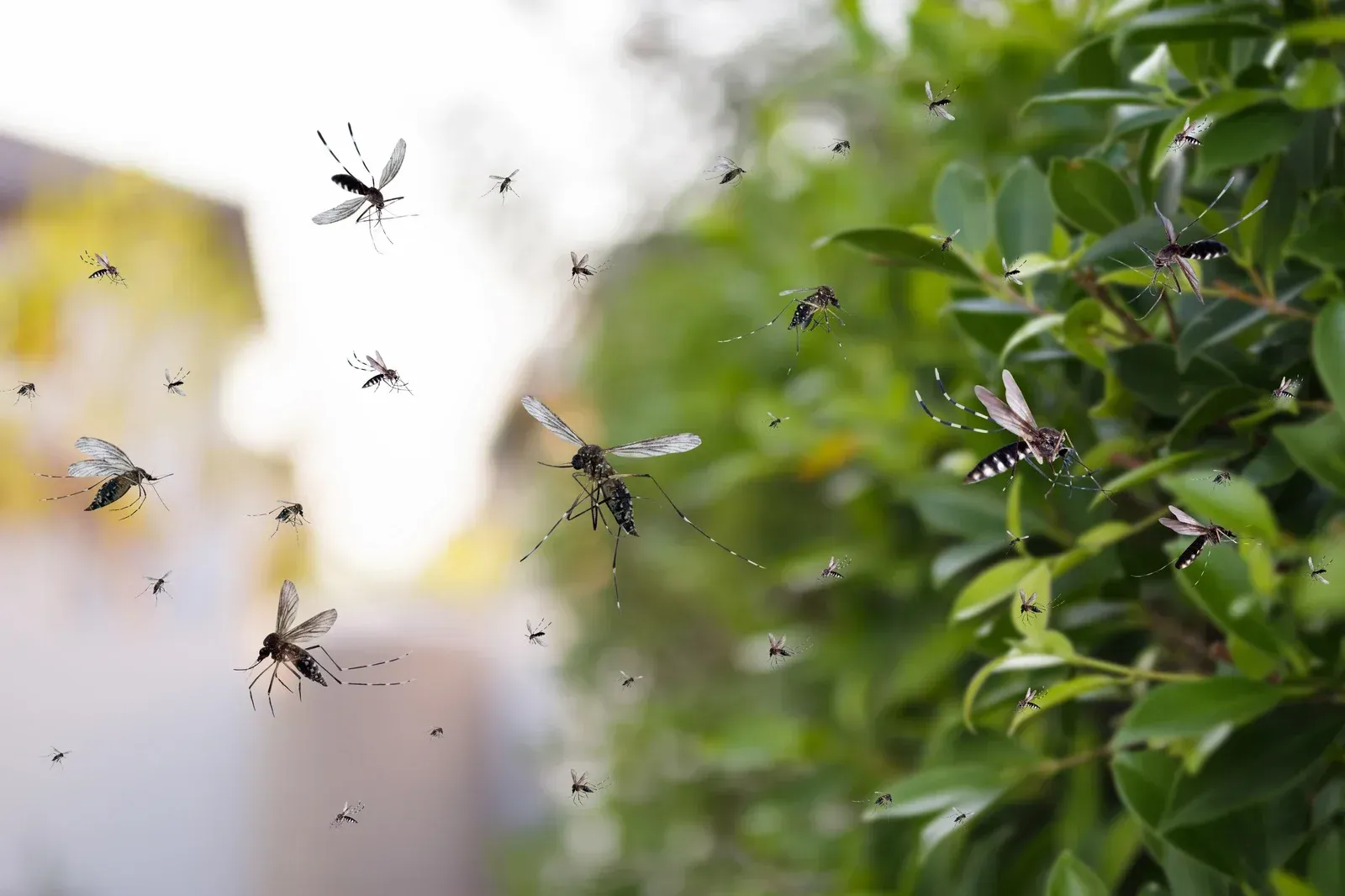

Long Term Mosquito Population Reduction Focused On Breaking Breeding Cycles
Mosquito population reduction goes beyond short-term control and focuses on weakening mosquito numbers over time. Instead of chasing activity after it appears, this approach targets survival, breeding success, and emergence patterns that allow populations to grow unchecked. By interrupting multiple stages of the mosquito life cycle, population reduction delivers measurable, lasting relief. With more than 40+ years of experience, Conner Pest Solutions applies structured reduction strategies built on precision, consistency, and long-term outcomes rather than temporary knockdowns that fade quickly. Our mosquito population reduction approach is systematic and cumulative, designed to deliver steady improvement rather than isolated relief.
We serve Anna, Texas and nearby communities including McKinney, Melissa, Van Alstyne, and Celina throughout Collin County. North Texas conditions create persistent mosquito pressure due to extended warm seasons, frequent irrigation, shaded residential landscaping, and drainage patterns common across growing neighborhoods. Standing moisture, tree lines, privacy fencing, and dense vegetation support repeated breeding cycles. Effective population reduction must reflect these regional realities, adjusting methods and timing to match how mosquitoes thrive across local environments.
Each service focuses on reducing adult survival, limiting breeding success, and preventing future emergence across multiple cycles. Treatments target resting zones, breeding-adjacent areas, and movement corridors using calibrated equipment and carefully selected products. We treat population reduction as an ongoing process, ensuring mosquito pressure declines consistently and outdoor spaces remain comfortable, predictable, and usable throughout changing seasons instead of rebounding repeatedly while maintaining disciplined evaluation, adaptive scheduling, and placement accuracy that support long-term stability without reliance on reactive treatments or short-term suppression methods as environmental conditions, landscaping, and weather patterns shift over time across residential outdoor environments in North Texas communities we serve year round effectively and consistently.
Our Mosquito Population Reduction Services
Adult Population Suppression Treatments
Adult suppression treatments target active mosquitoes in resting zones and travel corridors. Reducing adult numbers limits immediate biting pressure and decreases reproduction potential, supporting broader population reduction goals over time while weakening overall mosquito survival rates across affected outdoor environments through repeated, precisely timed applications.
Breeding-Adjacent Area Management
Treatments address areas surrounding standing moisture and active breeding sources. Managing these zones limits larval development and emergence, weakening future mosquito populations before they mature into biting adults and contribute to recurring infestations across residential environments through consistent lifecycle disruption applied strategically across properties residential.
Resting Zone Disruption Applications
Applications focus on shaded vegetation and structural features where mosquitoes rest during daylight hours. Disrupting resting behavior reduces survival rates and limits mosquito movement into active outdoor spaces used frequently by people, thereby weakening populations and improving long-term reduction outcomes across varied residential environments consistently.
Lifecycle-Based Treatment Scheduling
Scheduling aligns treatments with mosquito life stages and prevailing environmental conditions. Targeting key lifecycle points improves reduction effectiveness and prevents population recovery between applications by disrupting emergence, reproduction, and survival patterns systematically through timed interventions that maintain consistent pressure over time without allowing rebound cycles.
Environmental Condition Monitoring
Monitoring moisture levels, vegetation growth, and weather patterns informs treatment adjustments. Addressing environmental changes early prevents new breeding opportunities from undermining mosquito population reduction progress across evolving residential landscapes by allowing proactive corrections before infestations escalate or spread into surrounding outdoor areas seasonally over time.
Ongoing Reduction Performance Evaluation
Continuous evaluation measures mosquito population trends over time to guide decision making. Adjustments refine placement, timing, and methods, ensuring reduction strategies remain effective rather than declining as environmental conditions and mosquito pressures evolve across seasons through informed, data-driven program improvements that support sustained long-term control.
Benefits of Mosquito Population Reduction
Long-Term Population Decline
Mosquito population reduction weakens mosquito numbers gradually through repeated disruption of breeding and survival patterns. Sustained pressure lowers overall population strength, delivers lasting relief, and avoids short-term control approaches that allow rapid rebound once treatments stop and environmental conditions again favor reproduction seasonally and regionally.
Interrupts Breeding Cycles
Targeting breeding-adjacent areas and emergence patterns limits mosquito reproduction at critical stages. Interrupting cycles prevents exponential growth, reduces future generations, and stabilizes mosquito pressure across properties instead of allowing recurring seasonal surges driven by unchecked moisture, warmth, and habitat availability near residential outdoor environments throughout.
Reduces Adult Survival Rates
Population reduction strategies decrease adult mosquito survival using targeted, behavior-focused treatments. Lower survival rates reduce biting pressure, limit reproduction opportunities, and weaken populations steadily, avoiding reliance on temporary knockdowns that fail to influence long-term mosquito pressure dynamics across residential and mixed-use outdoor environments consistently year-round.
Improves Control Predictability
Reducing mosquito populations progressively creates predictable, stable control outcomes over time. Stabilized pressure prevents sudden activity spikes, allowing outdoor spaces to remain usable without constant fluctuations caused by unchecked breeding cycles, environmental triggers, or inconsistent treatment intervals that undermine comfort and long-term planning efforts locally.
Supports Integrated Control Programs
Population reduction strengthens integrated mosquito control programs by complementing maintenance, barrier, and monitoring efforts. Addressing both present activity and future emergence simultaneously improves overall effectiveness, coordination, and consistency compared to isolated treatments applied without long-range population objectives or consideration of environmental drivers and seasonal variation.
Limits Reinfestation Pressure
Lowering local mosquito population density reduces reinfestation pressure from nearby resting and breeding areas. Reduced pressure slows rebound rates, improves consistency between service intervals, and supports sustained control without repeated outbreaks driven by surrounding untreated habitats that continually supply new adult mosquitoes into properties nearby.
Population Based Mosquito Control That Delivers Lasting Predictable Relief
Mosquito population reduction works when strategies focus on long-term decline rather than temporary suppression. Instead of reacting to visible activity, we weaken mosquito numbers by interrupting breeding, survival, and emergence patterns consistently over time. Serving Anna, Texas and surrounding Collin County communities, our approach reflects regional conditions that allow mosquitoes to thrive for extended seasons. With more than 40+ years of experience, Conner Pest Solutions delivers population reduction programs built for stability, predictability, and lasting comfort.
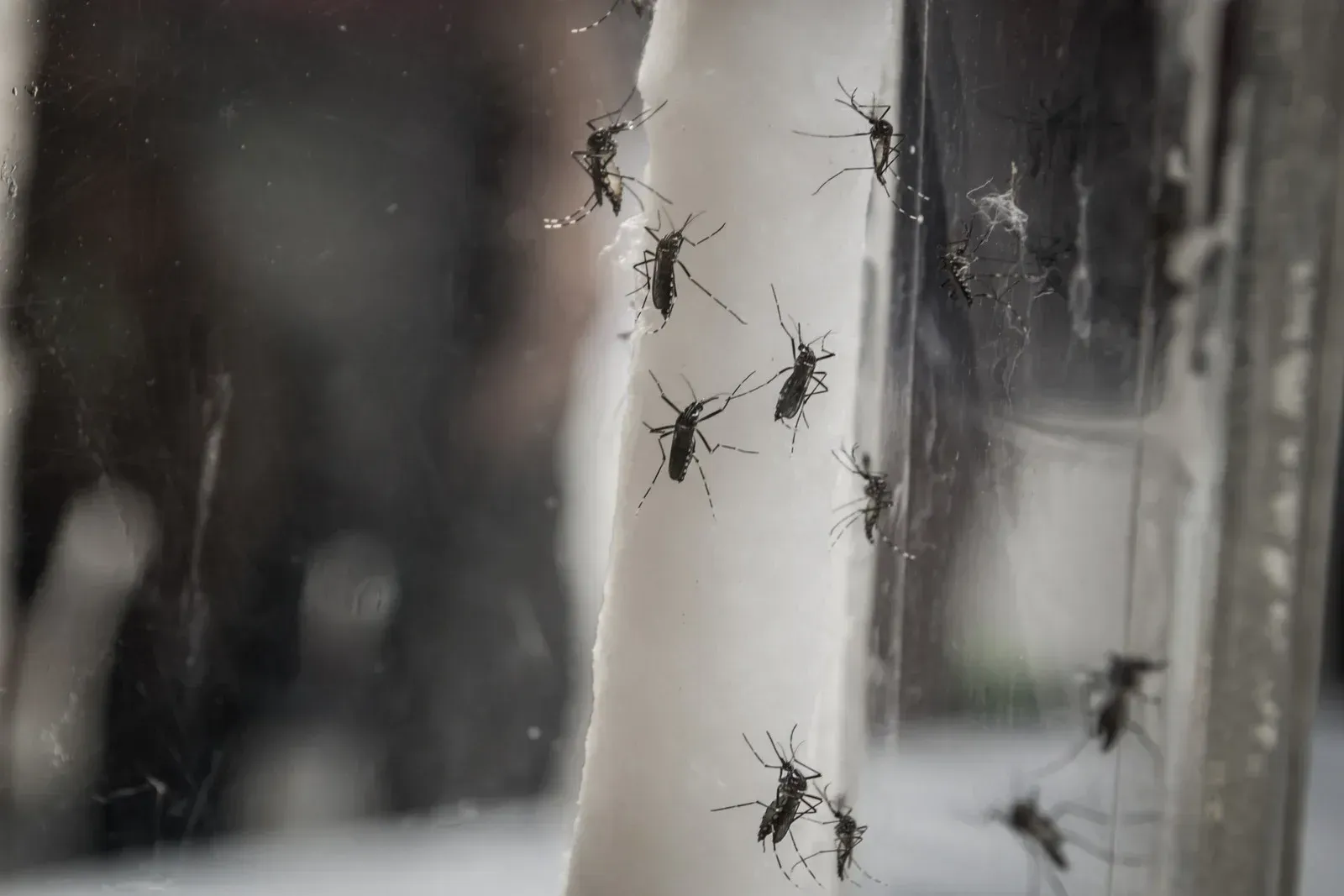
Our team emphasizes precision placement, responsible application, and continuous evaluation to ensure progress is maintained rather than reversed. Population reduction is not an instant solution; it is a disciplined process that rewards consistency. When mosquito numbers are systematically lowered, outdoor spaces remain usable, comfortable, and dependable without recurring spikes that disrupt daily life or seasonal enjoyment.
Frequently Asked Questions
What is mosquito population reduction?
Mosquito population reduction focuses on lowering mosquito numbers over time rather than providing immediate but temporary relief. Treatments interrupt breeding, reduce survival rates, and prevent future emergence, creating sustained population decline instead of repeated short-term knockdowns that allow mosquitoes to rebound quickly between control efforts.
How long does population reduction take to show results?
Noticeable improvement often begins within weeks, but meaningful population decline develops gradually over time. Consistent disruption across multiple breeding cycles weakens mosquito populations, limits recovery, and produces more stable, predictable control outcomes compared to short-term treatments that only suppress activity briefly during active mosquito seasons.
Does population reduction replace regular mosquito treatments?
Population reduction complements other mosquito control services rather than replacing them entirely. While it addresses long-term pressure, maintenance and barrier treatments manage immediate activity, creating a comprehensive, layered approach that controls present mosquitoes while reducing future population growth simultaneously across residential and commercial outdoor environments.
Is mosquito population reduction environmentally responsible?
Population reduction emphasizes targeted application and mosquito lifecycle awareness to improve effectiveness. Treating strategically reduces unnecessary product use, limits environmental exposure, and maintains control efficiency while supporting responsible pest management practices without relying on excessive, repetitive chemical applications across residential outdoor spaces and surrounding landscapes.
Can population reduction eliminate mosquitoes entirely?
No, mosquitoes cannot be eliminated completely due to environmental and ecological factors. Population reduction aims to significantly lower mosquito numbers, reduce disruption, and improve outdoor comfort rather than achieve total eradication, which is unrealistic in open residential and natural environments with ongoing exposure risks present.
How does weather affect population reduction efforts?
Weather directly influences mosquito breeding, survival, and activity levels throughout the year. Population reduction adapts to rainfall, heat, and humidity by adjusting timing and placement, ensuring control remains effective despite environmental changes that impact mosquito life cycles across extended seasonal pressure periods in residential settings.
Why choose Conner Pest Solutions in Anna, Texas?
Conner Pest Solutions in Anna, Texas brings over 40+ years of experience applying structured mosquito population reduction strategies. Our approach prioritizes long-term stability, precision execution, and consistent evaluation rather than short-term treatments that fail to reduce mosquito pressure sustainably across changing environmental conditions and seasons.
Is mosquito population reduction worth the investment?
Population reduction improves long-term outdoor comfort, reduces repeated infestations, and strengthens overall mosquito control efficiency. Consistent reduction programs often deliver better value by limiting rebound cycles, minimizing disruption, and decreasing reliance on reactive treatments after outbreaks occur in residential outdoor environments over time consistently managed.
What our customers have to say...
Testimonials