
Larvicide Mosquito Treatments in Anna, Texas
Larvicide Mosquito Treatments Targeting Breeding Sites Before Adults Emerge
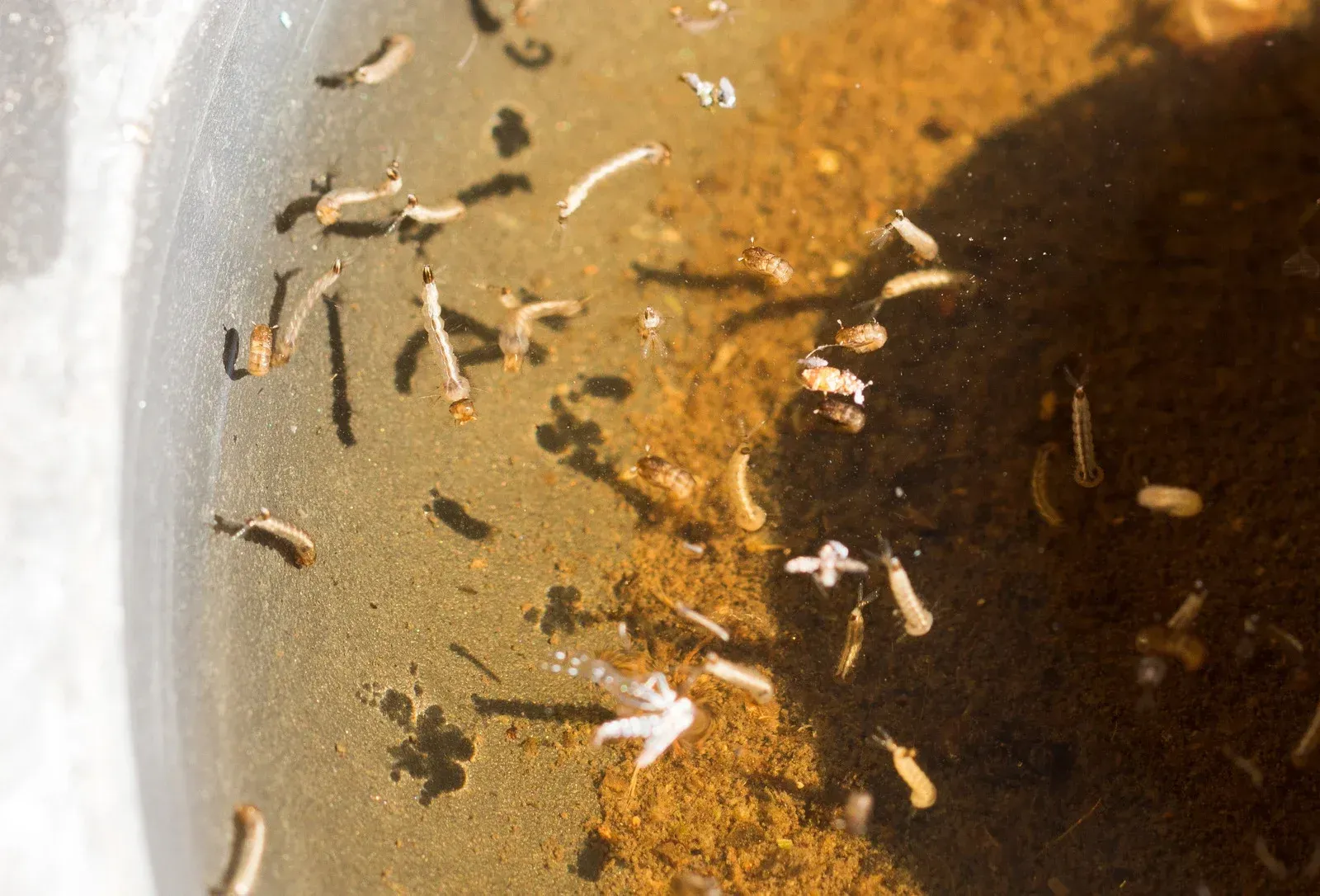
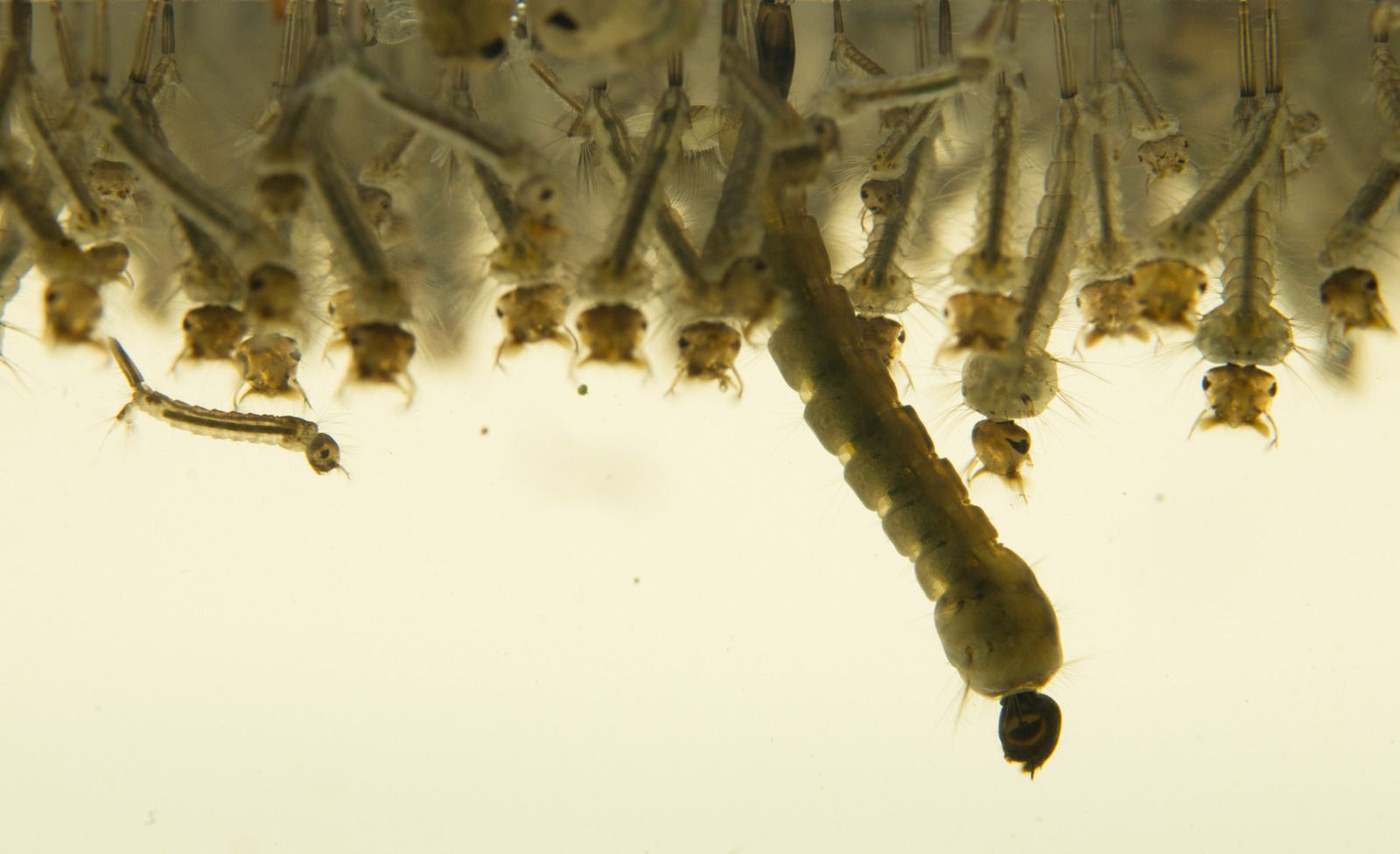
Mosquito problems begin long before biting pressure is noticed. Larvicide mosquito treatments focus on interrupting mosquito development at the earliest stage, targeting larvae before they mature into flying adults. By stopping the life cycle before emergence, larvicide treatments reduce future populations instead of reacting to visible activity. With more than 40+ years of experience, Conner Pest Solutions applies larvicide strategies built on precision, environmental awareness, and long-term population control rather than relying solely on adult-focused applications that address symptoms after infestations form.
We serve Anna, Texas and nearby communities including McKinney, Melissa, Van Alstyne, and Celina throughout Collin County. North Texas properties experience frequent mosquito breeding due to irrigation systems, drainage features, clay-heavy soils, and extended warm seasons. Standing water in low areas, landscaped features, and drainage zones creates ideal larval habitats. Larvicide treatments must reflect these regional conditions, addressing hidden water sources that allow mosquito populations to regenerate continuously across residential environments.
Our larvicide mosquito treatment approach is strategic and preventative. Each application targets breeding-adjacent water sources where larvae develop, using carefully selected products designed to interrupt growth stages without unnecessary environmental impact. Treatments are placed accurately to avoid overuse while maintaining effectiveness. We treat larvicide control as a foundational process, ensuring mosquito populations are reduced before they emerge, pressure is lowered consistently, and outdoor spaces remain comfortable, predictable, and usable rather than cycling through repeated outbreaks driven by unchecked breeding conditions.
Our Larvicide Mosquito Treatment Services
Standing Water Larval Treatment
Applications target standing water sources where mosquito larvae develop and thrive. Treating these areas interrupts the mosquito life cycle early, preventing larvae from maturing into adults, reducing future populations, and lowering overall mosquito pressure before emergence impacts outdoor comfort and usability.
Drainage Feature Larvicide Application
Larvicide treatments are applied to drainage areas, retention zones, and runoff features that collect water. Addressing these locations limits mosquito breeding in areas frequently overlooked during routine maintenance, preventing continuous larval development that fuels repeated adult mosquito emergence.
Landscape Water Source Management
Treatments focus on landscape features that retain water, including planters, low spots, and decorative elements. Managing these sources disrupts mosquito development close to living spaces, reducing the likelihood of larvae maturing into adults near patios, yards, and outdoor activity areas.
Irrigation-Related Breeding Control
Larvicide applications address water accumulation caused by irrigation systems, overspray, and uneven watering patterns. Treating these moisture-prone zones prevents repeated mosquito breeding in areas that consistently receive water, limiting ongoing population regeneration near residential environments.
Seasonally Timed Larvicide Placement
Applications are timed to mosquito breeding cycles, temperature patterns, and environmental conditions. Seasonal timing improves treatment effectiveness by targeting larvae during peak development periods, preventing population resurgence and supporting sustained mosquito reduction throughout extended warm seasons.
Ongoing Larval Habitat Monitoring
Monitoring identifies new breeding sources created by rainfall, irrigation changes, or landscape updates. Continued observation ensures larvicide control remains effective over time by addressing emerging water sources before they contribute to renewed mosquito population growth.
Benefits of Larvicide Mosquito Treatments
Interrupts Mosquito Life Cycles
Larvicide treatments stop mosquitoes before they reach adulthood. Interrupting development stages prevents emergence, reduces population growth, and limits future biting pressure rather than reacting after adult mosquitoes are already present. This proactive approach weakens infestations early and supports consistent long-term outdoor comfort for homeowners everywhere.
Reduces Adult Mosquito Populations
By preventing larvae from maturing, larvicide treatments lower the number of adult mosquitoes entering the environment. Fewer adults result in reduced biting activity and less reproduction over time. This reduction stabilizes pressure, limits population rebounds, and improves overall mosquito management effectiveness across residential outdoor spaces.
Improves Long-Term Control Outcomes
Targeting larvae supports sustained population reduction. Without continuous emergence, mosquito pressure weakens steadily, improving long-term control results instead of temporary relief. Repeated lifecycle disruption prevents seasonal surges and creates predictable, manageable outdoor conditions for property owners, families, and guests throughout extended mosquito seasons locally annually.
Enhances Treatment Efficiency
Larvicide applications focus on breeding sources, improving overall efficiency. Reducing emergence limits the need for repeated adult treatments, strengthening integrated control efforts. Fewer corrective services are required, saving resources while maintaining consistent suppression across properties experiencing persistent mosquito pressure during peak activity periods seasonally each.
Supports Environmentally Responsible Control
Larvicide products are selected for targeted use in water sources. Treating only breeding areas limits environmental exposure while maintaining effective mosquito control. This approach protects surrounding soil, plants, and beneficial organisms from unnecessary impact while supporting responsible, balanced mosquito management practices consistently over time safely.
Strengthens Integrated Mosquito Programs
Larvicide treatments enhance maintenance, barrier, and population reduction services by addressing mosquito reproduction directly, preventing reinfestation from unmanaged breeding zones. This coordination improves stability, strengthens results, and supports comprehensive long-term mosquito control strategies across diverse residential landscapes, changing seasons, and evolving environmental conditions locally overall.
Larval Control That Reduces Future Mosquito Pressure Effectively
Larvicide mosquito treatments address mosquito problems at their earliest and most vulnerable stage. By preventing larvae from becoming adults, control becomes proactive instead of reactive. Serving Anna, Texas and surrounding Collin County communities, our approach reflects local drainage patterns, irrigation practices, and breeding behavior common across North Texas properties. With more than 40+ years of experience, Conner Pest Solutions delivers larvicide strategies focused on prevention, precision, and long-term effectiveness. Our team emphasizes accurate placement, responsible product selection, and ongoing monitoring to ensure breeding sources remain controlled.
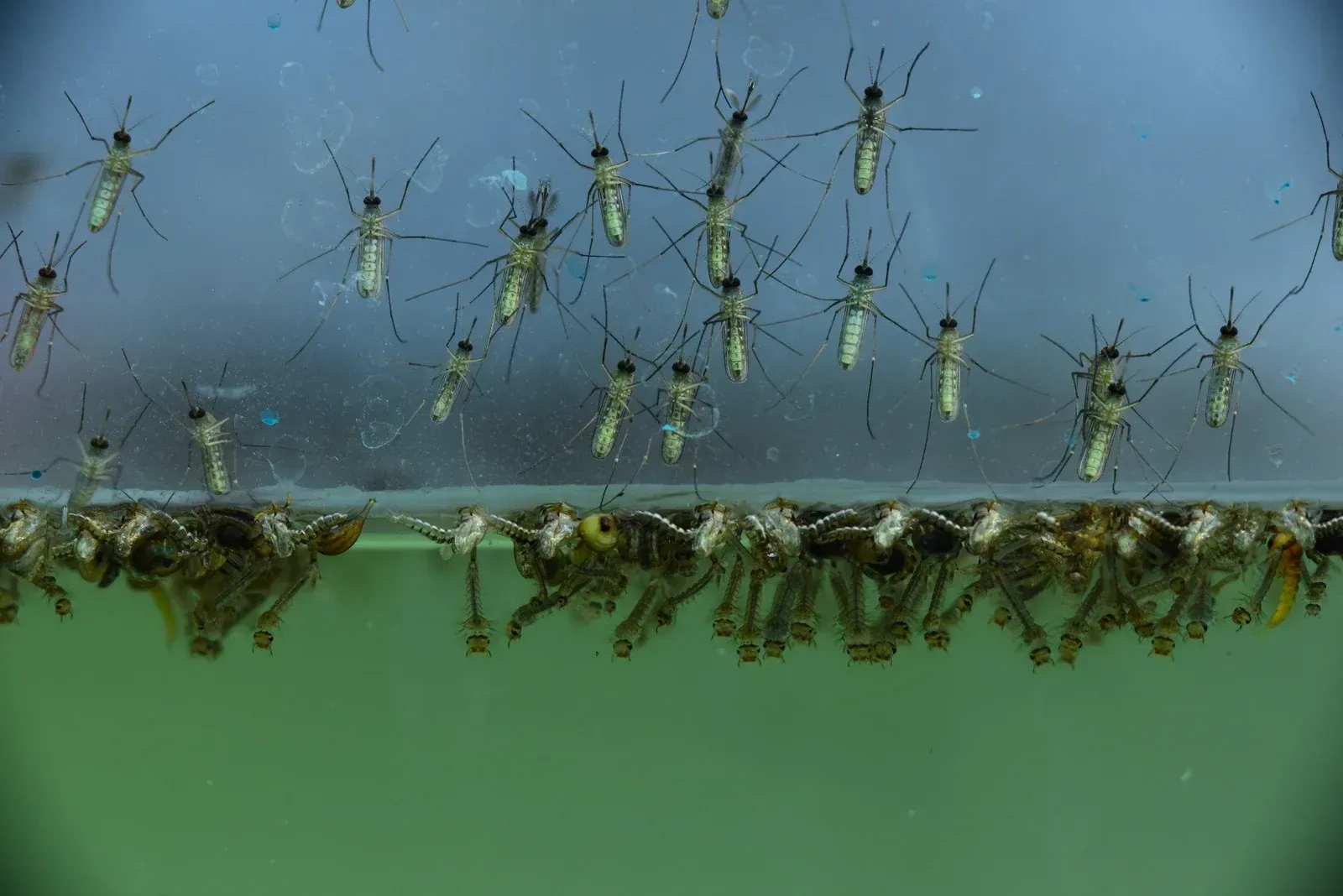
Larvicide treatment is not a standalone fix; it is a foundational component of successful mosquito management. When breeding is disrupted consistently, populations decline naturally, adult pressure decreases, and outdoor spaces remain comfortable, predictable, and usable without recurring outbreaks driven by unseen larval habitats.
Frequently Asked Questions
What are larvicide mosquito treatments?
Larvicide mosquito treatments target mosquitoes during their larval stage while they develop in water. By interrupting growth before adulthood, these treatments prevent emergence, reduce future populations, and shift mosquito control toward proactive prevention rather than reacting after adult mosquitoes are already present and actively biting.
Where are larvicides applied?
Larvicides are applied to standing water, drainage features, and breeding-adjacent areas where mosquito larvae develop. These locations are often hidden or overlooked, yet they play a critical role in reproduction and population expansion if left untreated over extended periods.
Are larvicide treatments environmentally responsible?
Larvicide treatments are considered environmentally responsible when applied correctly. Products are selected for targeted use in water sources, limiting exposure beyond breeding areas while effectively interrupting mosquito development and reducing the need for repeated adult-focused chemical applications later.
Do larvicides kill adult mosquitoes?
Larvicides do not kill adult mosquitoes. They work exclusively on immature stages developing in water. Adult mosquito activity is addressed through separate control methods, while larvicides focus on preventing future generations from emerging and contributing to ongoing population pressure.
How often are larvicide treatments needed?
Larvicide treatment frequency depends on breeding pressure, rainfall patterns, and water conditions. Ongoing monitoring determines scheduling, ensuring treatments remain effective without unnecessary application while adapting to environmental changes that influence mosquito development cycles.
Can larvicides eliminate mosquitoes entirely?
Larvicides cannot eliminate mosquitoes entirely due to environmental factors and external sources. Their purpose is population suppression by preventing emergence, reducing long-term pressure, and supporting integrated control strategies rather than achieving complete eradication.
Why choose Conner Pest Solutions in Anna, Texas?
Conner Pest Solutions in Anna, Texas brings over 40+ years of experience applying larvicide strategies tailored to regional breeding conditions. Our approach emphasizes precision, lifecycle disruption, and long-term population stability rather than short-lived control methods.
Are larvicide treatments worth the investment?
Larvicide treatments are a valuable investment because they reduce future infestations, strengthen overall mosquito management programs, and improve long-term efficiency. Preventing emergence often lowers the need for repeated adult treatments and reactive corrective services later.
What our customers have to say...
Testimonials